

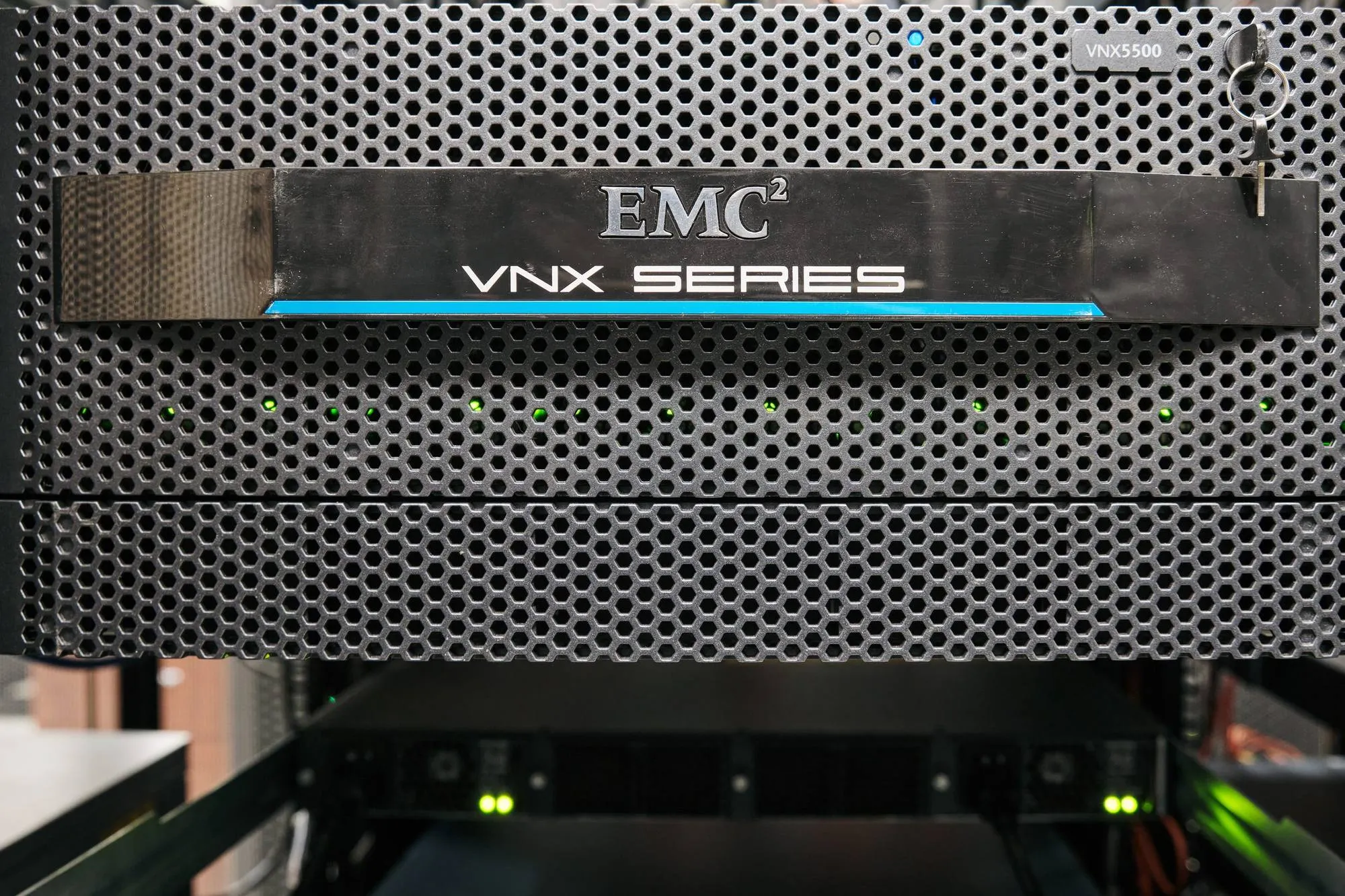

Your OEM Moved On. Your Support Bill Didn't.
Most enterprise storage environments have a hidden cost problem. Companies are still paying OEM-level support pricing for storage systems holding archival data that nobody has touched in years. It rarely gets flagged in a budget review, because OEM support contracts auto-renew quietly, absorbing annual increases until someone finally looks at the line item.
When I speak with IT leaders, I hear the same tension: real pressure to control infrastructure costs, while still retaining years of compliance, backup, legal, and operational data. OEM support renewals keep climbing, especially on platforms that are already stable, mature, and no longer driving production workloads. That is where Third-Party Maintenance (TPM) changes the conversation.
The Reality of Archival Storage
A significant percentage of enterprise data is effectively cold. IDC research shows that more than 68% of enterprise data sits unused, while large portions become cold within months of creation. But even if the data is rarely accessed, organizations still need to retain it for:
- HIPAA compliance
- SEC 17a-4 retention requirements
- SOX and GDPR obligations
- eDiscovery and legal hold requirements
- Internal business records retention
The key distinction is this: compliance requires the data to remain accessible. It does not require that the storage hardware remain under expensive OEM support contracts. That is an important realization for organizations running legacy archival environments, and one that most OEM renewal conversations never surface.
OEM End of Life Is a Business Decision. Treat It Like One.
When an OEM declares a platform end-of-life, the hardware does not stop working. The data does not move. The compliance mandate does not expire. What changes is that the OEM has decided to stop selling support for hardware they can no longer upsell you on. That is their financial interest, not yours.
Enterprise IT teams are under more budget pressure today than at any point in recent memory. AI infrastructure, security tooling, and cloud modernization are all competing for the same dollars. Auto-renewing OEM support contracts on perfectly functional archival hardware quietly drain budget that could fund the transformation work your organization actually needs.
TPM on your archival tier is not a maintenance decision. It is a budget recovery play hiding in plain sight. Same SLA coverage, same certified engineers, same parts availability, at 55 to 65 percent less than what you are paying the OEM today. The hardware was never going to be replaced anyway. The only question is whether you keep overpaying for it.
The Platforms We See Most Often
The archival environments I encounter most frequently run on mature, proven platforms across Dell EMC, HPE, and NetApp. On the Dell EMC side, that includes VNX, Unity, PowerStore, Isilon and PowerScale, SC Series, and PowerProtect Data Domain. On the HPE side, 3PAR StoreServ and Nimble Storage arrays remain common. Older-generation NetApp FAS and AFF systems round out a large share of the mixed-vendor environments we support.
These platforms continue to do exactly what they were designed to do: store large volumes of data reliably. For archival use cases, that is all that matters. Stability and availability, not a new firmware revision or a feature set the workload will never use.
Cost Savings: OEM vs. Third-Party Maintenance
The pricing gap between OEM support and TPM is often larger than organizations expect. Typical customer outcomes show savings in the 55 to 65 percent range, depending on platform and SLA requirements. The numbers below are based on typical OEM list pricing for post-warranty contracts on platforms currently aging out of OEM support windows.
| Hardware / Platform | OEM Annual Cost (Est.) | TPM Annual Cost (Est.) | Avg. Savings |
|---|---|---|---|
| Dell EMC Unity XT 500F | $35,000 to $65,000 | $14,000 to $26,000 | 55 to 60% |
| Dell EMC SC Series SC7020 | $28,000 to $55,000 | $11,000 to $22,000 | 55 to 60% |
| Dell EMC PowerProtect Data Domain 6400 | $30,000 to $55,000 | $12,000 to $22,000 | 55 to 60% |
| Dell EMC PowerScale 12-Node | $60,000 to $120,000 | $24,000 to $50,000 | 55 to 65% |
| HPE 3PAR StoreServ 8200 | $25,000 to $50,000 | $10,000 to $20,000 | 55 to 60% |
| NetApp FAS8200 HA Cluster | $40,000 to $75,000 | $16,000 to $30,000 | 55 to 60% |
Example: A financial services firm running two Dell EMC Unity XT arrays and a 24-node PowerScale cluster for compliance archival could save an estimated $200,000 to $360,000 per year by moving to TPM. That is real budget that can be redirected toward AI initiatives, cybersecurity, cloud strategy, or production infrastructure upgrades.
Addressing the Real Objections
Most organizations that stay on OEM support past end-of-life do so for one of three reasons: inertia, audit anxiety, or a concern about parts availability. All three are understandable, but none of them hold up under scrutiny.
On compliance: HIPAA, SEC 17a-4, SOX, GDPR, DORA, and state privacy regulations mandate data retention, not hardware age. Auditors care whether the data is intact, accessible, and secured. TPM coverage satisfies those requirements just as OEM support does.
On parts: EOL hardware is mature hardware. The failure modes are well understood, parts are stocked, and the engineers who support it have worked on these platforms for years. The OEM's decision to stop selling support does not make the hardware fragile. It just makes their support more expensive and harder to access.
On risk: The real risk is not moving to TPM. It is continuing to fund escalating OEM contracts on static workloads while peers redirect that spend toward infrastructure that actually moves the business forward.
The Bigger Picture
Not every environment should carry the same support model. Primary production systems supporting customer-facing applications may justify premium support contracts and next-generation hardware investments. Archival infrastructure is a different story.
If the hardware is stable, the workload is cold, and compliance requirements are being met, forcing a refresh because the OEM says it is time creates unnecessary cost and operational disruption. TPM gives organizations another path, one that aligns infrastructure spending with actual business value rather than the OEM's product lifecycle calendar.
In today's budget environment, that flexibility is not a nice-to-have. It is a strategic advantage.
If your organization is running archival storage on aging platforms and approaching another OEM renewal, it is worth asking whether those systems truly need OEM-level support. In most cases, they do not. And the savings are real.
Contact us today to learn more about how TPM works for archival storage, and for a platform-by-platform cost comparison.